3️⃣ Essential Steps of Personal Finance Investing: Learn, Invest, Analyze, Repeat! 🔁
I used to believe that once I started earning, everything would become easier and life would be smooth sailing. Now, as I earn and manage my money, I realize it’s not as simple as I initially thought. Personal finance investing is certainly a process that one must master.
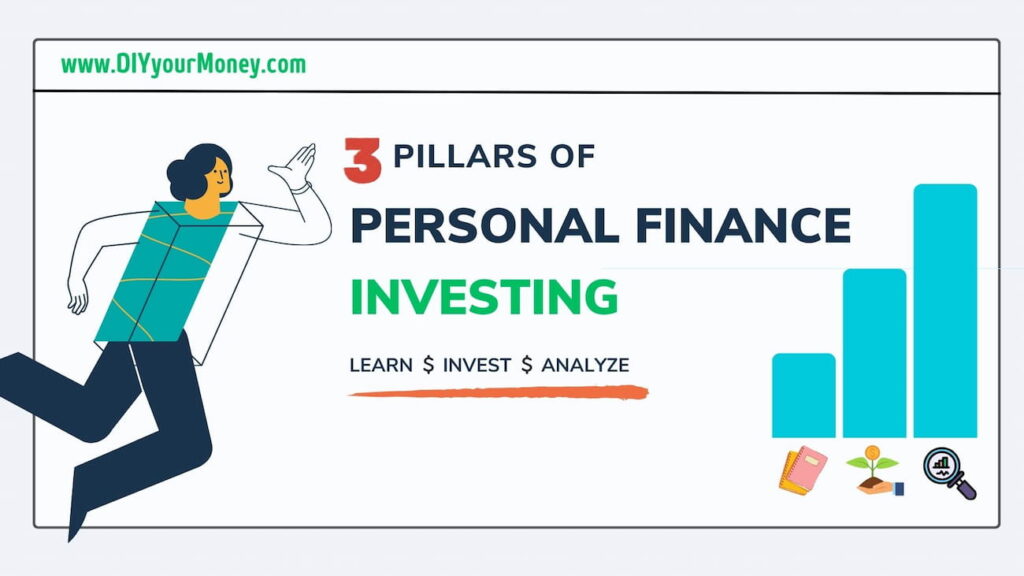
Over the past few years, I’ve managed my finances and learned the importance of three key pillars: “Learn, Invest, and Analyze.” Understanding these pillars can significantly increase your chances of achieving financial freedom. So, let’s start climbing these pillars.
⚡ Quick Summary
Achieving financial independence is a continuous, repeatable process. In this guide, we break down the journey into three core pillars:
- Learn: Build a strong foundation by understanding the basics of budgeting, debt management, and setting clear financial goals.
- Invest: Put your money to work early and often through accessible vehicles like your employer’s 401(k) and low-cost index funds.
- Analyze: Regularly review your spending habits, track your portfolio’s health, and adjust as your income grows.
- The Key: Overcome the fear of starting, and Repeat the cycle until you reach your financial goals!
🌳 My Personal journey: 🚀 From Debt to Coast FIRE in 6 Years
The day I realized the truth about money changed everything for me. The financial problems most of us face aren’t necessarily because we don’t have enough—they happen because of our inability to accept that we must learn how money works. For a long time, not asking questions, not understanding the basics, and being afraid to fail kept me completely unaware that I was losing money. The result? When I lost my job, I found myself in debt with nothing to show for it.
But when you fail and learn from it, you never forget the lessons. Mastering these three basics of money management has completely turned my life around. I am now inching toward financial independence and have officially achieved Coast FIRE. If my past failures can help you grow financially, let them. You don’t have to hit rock bottom to start—growing your wealth has never been easier or more accessible. Start today. You can read more about my personal journey here: https://diyyourmoney.com/about/.
1️⃣The First Pillar: Learn about Money
Start with Financial Education
Financial education teaches you that your dollar has lot more value than think it does. It teaches the true potential of the money that we earn so hard. How to handle it responsibly, save and invest rigorously, and wait patiently to grow it.

"Financial freedom is available to those who learn about it and work for it."
- Robert Kiyosaki Tweet
- Focus on the Basics: Budgeting, Saving, getting rid of debt, emergency funds.
- Gain Investment Knowledge: Dive into the world of investing by learning about stocks, bonds, mutual funds, and retirement accounts. Knowledge is free on the Internet: Websites like Investopedia offer free knowledge for beginners.
Set your Financial Goals
Once you understand your ‘why’ for money, you are ready to travel towards your financial freedom journey. Start setting your financial goals and enjoy the ride.
- Short-Term Goals: These might include saving for a vacation, an emergency fund, or paying off debt.
- Long-Term Goals: Think retirement, buying a home, or college funds for your children.
Make money learning another habit
Habits shape who we are, and learning about money is just another habit we must form. We all use phones and have access to free knowledge. Start learning about money by watching videos on YouTube.com, use websites like investopedia.com for investing knowledge, and you can always use this website.
2️⃣. The Second Pillar: Invest your Money
After grasping the basics, it’s time to put your money to work. By investing, your hard-earned money can contribute significantly to your wealth. The sooner you start, the quicker you can achieve financial freedom.

"The single biggest mistake investors make is not investing early enough."
- John Bogle Tweet
💪Start Small but You must start
Investing can seem intimidating, but you can take baby steps to climb the ladder.
Explore your investing options and start with those.
- Retirement Accounts: If your employer offers a 401 (k) option, then you must participate in your employer’s 401(k) plan; don’t leave the matching contribution. That’s just extra income for you.
- Start investing in Index funds: Almost all brokerage firms, like Fidelity.com and Vanguard.com, have made investing simple for beginners. If you can search and buy products on Amazon.com, then you can search and buy index funds too.
🪺Learn diversification
After you begin your investing journey, make sure your money is diversified in the market.
- Stocks and Bonds: I recommend target index funds which will balance your portfolio buy investing your money in stocks and bonds.
- Spread your Investments: Buy S&P index funds or total Stock market index funds and your money is invested in all the large and small companies.
What’s your Risk Appetite?
Risk is part of the game. You will win the game if you are invested for the long term. However, based on your age, family situation, earnings, and lifestyle, you must figure out your risk appetite. One thing is for sure though: there is no better way for your wealth to grow besides investing.
3️⃣. The Third Pillar: Analyze your Money
Money once spent is gone. It’s important to regularly analyze your financial habits. This includes reviewing bank statements, scrutinizing spending habits, controlling impulse purchases, tracking investments, and monitoring savings.

"Beware of little expenses; a small leak will sink a great ship."
- Benjamin Franklin Tweet
🧑🌾Nurture your money garden
- Just as you plant a tree in your garden and water it regularly, you should also plant your investments and ensure they are growing as intended.
- Don’t change your lifestyle if you get the raise, rather try to invest more.
- Spend on your needs, save for your wants, and invest for your future.
By analyzing your money habits, you will know how much you will need for your retirement. You will be better prepared for your future financial needs.
🙋 Frequently Asked Questions (FAQs) ⁉️
1: What is the primary operational difference between saving and investing for a beginner?
Saving involves putting money aside in highly liquid, virtually risk-free environments (like standard savings accounts) to cover short-term expenses or emergencies. Investing is the process of putting your money to work in assets like stocks, bonds, or mutual funds with the expectation that its value will grow over time, though it exposes you to market risk. According to the Charles Schwab Investing Basics Guide, while investing introduces the risk of losing principal, it historically yields significantly higher long-term returns than savings accounts, helping you stay ahead of inflation.
2: How should I structure a personal financial roadmap before purchasing my first asset?
A solid financial roadmap requires a deep look at your current net worth, existing high-interest debt, and your specific time horizons. As outlined by the SEC.gov Guide on Saving and Investing Decisions, establishing this foundation before investing helps you clarify your comfort zone with risk and ensures you won’t be forced to liquidate your investments during a short-term market downturn.
3: Do I need a large amount of capital or a minimum account balance to start investing in index funds?
No. Modern online brokerages have largely eliminated steep barriers to entry for retail investors. The Principal Financial Beginner Investing FAQ notes that while some traditional mutual funds carry initial investment minimums, independent beginners can easily bypass this by utilizing online platforms to buy fractional shares or index-tracking Exchange-Traded Funds (ETFs) with minimal seed money.
You can start with these famous index funds: Planning for the Future: A Sneak Peek into the Best Index Funds 2026
4: How can an individual accurately evaluate their personal risk tolerance?
Risk tolerance is determined by balancing your emotional comfort with market swings against your actual “time horizon” (when you will need to withdraw the funds). The FINRA Investing Basics Overview emphasizes that if you are investing for a long-term goal like retirement, you have the runway to weather short-term stock volatility for higher compound growth, whereas near-term goals dictate a safer, more conservative asset allocation.
5: Why is diversification critical when analyzing and tracking a portfolio's health?
Diversification acts as your primary shield against market volatility by ensuring your money is spread across different asset types (e.g., large-cap stocks, international equities, and bonds) that don’t historically move in tandem. The Charles Schwab Investing Basics Guide explains that routinely analyzing your diversification protects your overall wealth from being wiped out by the sudden failure of a single company or sector underperformance.
🔁Conclusion: Repeat! and keep climbing the 3 pillars 🧗
You won’t learn to swim if you jump into the pool just once. You’ll have to jump in hundreds of times to overcome the fear of drowning and then start swimming. The path to personal finance investing is the same. You’ll have to dive into it, learn it, invest in it, analyze it, and repeat the cycle again and again. Remember, you’ll have to overcome the fear of drowning first.
"The journey to financial enlightenment begins with understanding the three pillars: Learn, Invest, Analyze, with the cycle repeating these steps."
- me Tweet
Consider these three pillars as your guiding principles. Have fear, but fear of not starting. Once you begin, these principles can guide you towards financial success. Share what has helped you overcome the fear of investing. Together, let’s build financial security.