
👋Introduction
Remember that worn-out copy of “Rich Dad Poor Dad” sitting on your bookshelf? The one with the dog-eared pages and underlined passages? It’s time to dust it off, because even though times have changed, Robert Kiyosaki‘s iconic book still holds powerful lessons for anyone looking to take control of their finances.
Now, you might be thinking, “Isn’t that book a little old-school? The internet wasn’t even a thing back then!” And you’d be right. The world of finance has evolved dramatically since “Rich Dad Poor Dad” first hit the shelves. But here’s the thing: the fundamental principles of building wealth haven’t changed. In fact, in this age of instant gratification and online distractions, those principles are more important than ever.
This blog post is your guide to applying the wisdom of “Rich Dad Poor Dad” to the modern financial landscape. We’ll revisit the core concepts, explore how they’ve evolved, and provide actionable steps you can take today to start building your own path to financial freedom.
Quick Summary
Unlock the “rules of the money game” for the digital age. This guide revisits Robert Kiyosaki’s timeless principles from Rich Dad Poor Dad, adapting them for today’s economy. Learn how to:
- Identify Modern Assets: Turn side hustles and digital content into income streams.
- Avoid “Subscription Drain”: Spot the 21st-century liabilities stealing your wealth.
- Boost Your Financial IQ: Leverage online tools and apps to build a growth mindset.
Stop working for money and start making your money work for you.
“The single most powerful asset we all have is our mind. If it is trained well, it can create enormous wealth.”
- Robert T. Kiyosaki Tweet
📝 A Personal Note from Me:
For a long time, I viewed my car loans and credit card spending as ‘wise’ moves—signs that I was finally ‘making it.’ It wasn’t until I read Rich Dad Poor Dad that the truth hit me: I wasn’t building wealth; I was just buying liabilities that made everyone else richer while I worked harder to keep up. Today, this book is my financial compass. It shifted my focus from collecting ‘stuff’ to building assets that buy me the two things money can’t replace: time and freedom.
⌛ The Timeless Wisdom of Rich Dad, Poor Dad
Kiyosaki’s masterpiece centers around the contrasting financial philosophies of his own father (the “poor dad”) and his best friend’s father (the “rich dad”). The poor dad, despite his education and steady job, struggled financially. The rich dad, a high school dropout, built a business empire. This stark contrast highlights the importance of financial literacy and a proactive approach to money management. As Kiyosaki wisely said, “The poor and the middle class work for money. The rich have money work for them.”
"The poor and the middle class work for money. The rich have money work for them."
- Robert T. Kiyosaki Tweet
Let’s dive into some of the key takeaways that remain incredibly relevant in today’s world:
☝️1. Assets vs. Liabilities: It's Not About How Much You Earn, But What You Own
This is the cornerstone of “Rich Dad Poor Dad.” It’s a simple yet profound concept that often gets overlooked. An asset puts money in your pocket, while a liability takes money out.
- Then: Kiyosaki used examples like real estate and stocks as assets, and cars and a big house as liabilities.
- Now: While those examples still hold, the modern age offers a whole new range of assets:
- Digital Products and Online Courses: Creating and selling your own digital products can generate passive income.
- Content Creation: Monetizing a blog, YouTube channel, or social media presence can turn your passion into profit.
- Investing in Yourself: Acquiring new skills through online courses or workshops can boost your earning potential.
On the flip side, liabilities have also evolved:
- Subscription Overload: Those seemingly harmless monthly subscriptions to streaming services, apps, and subscription boxes can drain your bank account.
- Consumer Debt: Easy access to credit cards and online shopping can lead to the accumulation of high-interest debts.
To truly grasp this concept, remember Kiyosaki’s words: “Rich people acquire assets. The poor and middle class acquire liabilities that they think are assets.”
"Rich people acquire assets. The poor and middle class acquire liabilities that they think are assets."
- Robert T. Kiyosaki Tweet
☝️2. The Power of Financial Education: Knowledge is Your Greatest Asset
“Rich Dad Poor Dad” emphasizes the importance of taking control of your financial education.
- Then: Information was less accessible, and you might have had to rely on books, seminars, or mentors.
- Now: We live in an information age! Countless resources are available at your fingertips:
- Online Courses: Platforms like Coursera, Udemy, and Khan Academy offer affordable (or even free!) courses on personal finance, investing, and entrepreneurship.
- Podcasts and Blogs: Tune in to podcasts like “The Dave Ramsey Show” or “The Money Guy Show ” and follow finance blogs like (ahem!) DIYyourMoney.com to stay informed.
- Investment Apps: Apps like Robinhood and Acorns make investing accessible to everyone, even with small amounts of money.
The key is to be proactive and seek out information that empowers you to make informed financial decisions. As Kiyosaki puts it, “The single most powerful asset we all have is our mind. If it is trained well, it can create enormous wealth.”
"The single most powerful asset we all have is our mind. If it is trained well, it can create enormous wealth."
- Robert T. Kiyosaki Tweet
☝️3. Build Your Financial IQ: Understand the Rules of the Money Game
“Rich Dad” stressed the importance of understanding how money works.
- Then: This might have involved learning about accounting, investing in stocks and bonds, or understanding real estate.
- Now: The financial landscape is more complex, but the core principles remain the same. You need to grasp concepts like:
- Inflation: How rising prices erode your purchasing power.
- Taxes: How different tax strategies can impact your investments.
- Compound Interest: How to leverage the power of time and consistent investing to grow your wealth.
In the words of Kiyosaki, “It’s not how much money you make, but how much money you keep, how hard it works for you, and how many generations you keep it for.”
"It's not how much money you make, but how much money you keep, how hard it works for you, and how many generations you keep it for."
- Robert T. Kiyosaki Tweet
☝️4. Cultivate a "Rich Dad" Mindset: Think Like an Investor, Not an Employee
Perhaps the most powerful lesson from “Rich Dad Poor Dad” is the importance of adopting a wealth-building mindset.
- Then: This meant challenging conventional wisdom about money, taking calculated risks, and focusing on creating assets.
- Now: This mindset is even more crucial. It means:
- Embracing a Growth Mindset: Be open to learning new skills, adapting to change, and seeing opportunities where others see obstacles.
- Overcoming Fear: Don’t let fear of failure or the unknown hold you back from pursuing your financial goals. “Winners are not afraid of losing. But losers are,” Kiyosaki reminds us.
- Taking Ownership: Be proactive about your finances, rather than passively accepting your financial situation.
"Winners are not afraid of losing. But losers are."
- Robert T. Kiyosaki Tweet
🪜Actionable Steps: Turning Knowledge into Action
Now that we’ve revisited the key principles of “Rich Dad Poor Dad,” let’s translate them into actionable steps you can take today:
1. Start with a Budget: Track your income and expenses to understand where your money is going. Use budgeting apps or spreadsheets to make this process easier.
2. Reduce Your Liabilities: Identify and eliminate unnecessary expenses. Can you cut back on those subscriptions? Pay down high-interest debt as quickly as possible.
3. Build Your Assets: Start small. Can you create a side hustle? Invest in a low-cost index fund? Explore different ways to generate passive income.
4. Invest in Your Financial Education: Take an online course, listen to a podcast, or read books on personal finance. The more you learn, the better equipped you’ll be to make sound financial decisions.
5. Cultivate a “Rich Dad” Mindset: Challenge your limiting beliefs about money. Set ambitious financial goals. Surround yourself with positive influences. Remember, “Losers quit when they fail. Winners fail until they succeed.”
"Losers quit when they fail. Winners fail until they succeed."
Ready to crunch your numbers?
FAQ ⁉️
1.How do I distinguish between a digital asset and a digital liability in today’s economy?
A digital asset puts money in your pocket (e.g., a monetized YouTube channel, an eBook, or an online course), while a digital liability takes it out. Modern liabilities are often “silent,” such as unused SaaS subscriptions or high-interest digital credit lines. Focus on acquiring digital skills that generate income rather than just consuming digital content that costs you monthly.
2. Why does Robert Kiyosaki still claim that a house is a liability even if the value goes up?
Because an asset is defined by cash flow, not just potential equity. Unless your house generates monthly income (like a rental property), it is a liability that costs you money in taxes, insurance, and maintenance every month. Real wealth comes from investing in assets that provide cash flow today, rather than relying on “hope for appreciation” tomorrow.
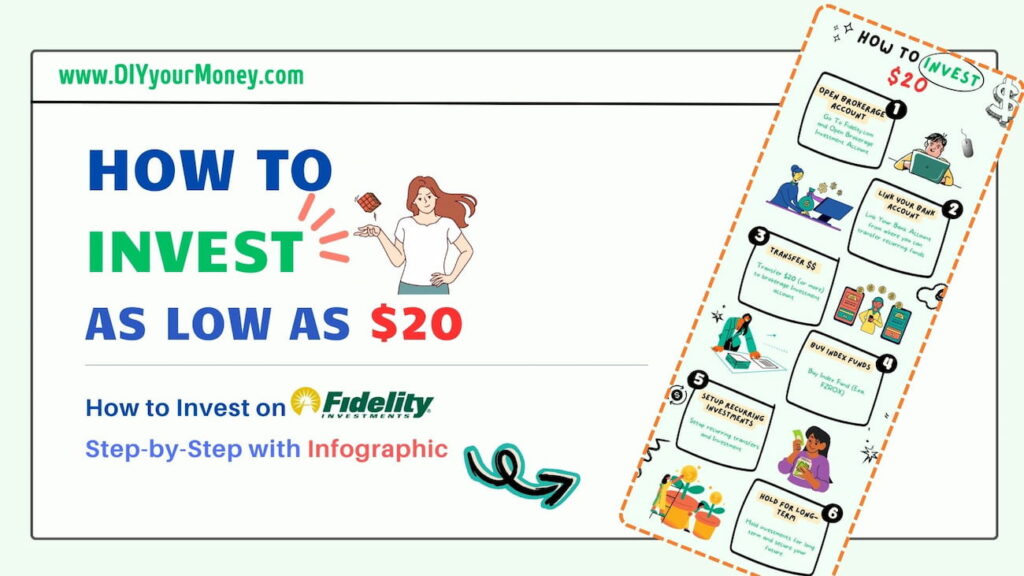
3. Can I realistically build wealth by investing only $20 a week into index funds?
Absolutely. Consistency beats intensity. By investing $20 a week into a total market fund like Fidelity’s FZROX, you harness the power of compound interest. Over 30 years, that small habit can grow into a significant six-figure sum, proving that financial freedom is accessible to everyone, regardless of their starting balance.
4.What is the difference between "Good Debt" and "Bad Debt" when using modern credit cards or BNPL services?
“Good debt” is money borrowed to purchase an asset that pays for the debt (like a mortgage on a rental property). “Bad debt” is used for consumption, like using Buy Now, Pay Later (BNPL) services for clothes or electronics. To escape the rat race, the goal is to use credit to build your income-producing empire, not to fund a lifestyle you haven’t yet earned.
🖲️Conclusion: Your Journey to Financial Freedom Starts Now
“Rich Dad Poor Dad” may have been written in a different era, but its lessons are timeless. By understanding the core principles and applying them to today’s financial landscape, you can take control of your money and build a brighter future.
Remember this powerful quote from the book: “An asset puts money in my pocket. A liability takes money out of my pocket.” Keep this in mind as you make financial decisions, and you’ll be well on your way to achieving your financial goals.
So, what are you waiting for? Start your journey to financial freedom today! And be sure to check out other resources and blog posts here at www.DIYyourMoney.com to support you along the way.
"An asset puts money in my pocket. A liability takes money out of my pocket."
- Robert T. Kiyosaki Tweet