Unlocking Financial Freedom: 🔟 Personal Finance Investing Tricks for a Prosperous Future
Investing can seem like a daunting frontier, shrouded in complex graphs and inscrutable numbers, but beneath that facade lies a straightforward truth: smart investing is the key to financial freedom. Whether you’re meticulously planning your retirement or simply looking to grow your wealth, the strategies we’re about to explore could dramatically elevate your financial landscape. So, buckle up as we navigate through ten golden investing tricks designed to forge a fortune.
👋Introduction: The Art of Wise Investing
The journey to wealth is not a sprint; it’s a marathon. It demands patience, strategy, and a sprinkle of audacity. But where to start? The vast sea of advice can be overwhelming, making it crucial to focus on proven tactics that stand the test of time. This article isn’t just a collection of tips; it’s your roadmap to mastering personal finance and making your money work for you.
⚡ Quick Summary
- The Core Truth: Building long-term wealth isn’t about working harder; it’s about making your money work for you.
- The Backstory: An immigrant senior data engineer shares how he turned past financial mistakes and unfamiliarity with the U.S. financial system into thousands in market growth.
- What You’ll Learn: Discover 10 golden investing tricks designed to fast-track your path to financial freedom—including compound interest, index funds, portfolio rebalancing, and automated investing.
- The Ultimate Goal: Learn how to maximize tax-advantaged accounts to achieve peace of mind and securely hit Coast FIRE (Financial Independence, Retire Early).
👤 My Story: Why I Wish I Knew These Tricks Sooner
❌ The Cost of Not Knowing (The Immigrant Experience)
When I first started my career, I was incredibly proud to finally be earning a good income. But as an immigrant navigating a completely unfamiliar financial system, I was entirely in the dark.
- Words like 401(k), Roth IRA, and Index Funds sounded like a foreign language to me.
- Without guidance, I did what felt safest: I left all my extra savings sitting in a traditional bank account.
The Expensive Lesson: By keeping my money in cash instead of letting it grow and compound in the market, I missed out on the early years of retirement compounding—a mistake that literally cost me thousands of dollars in lost growth. I desperately needed someone to pull me aside, tap me on the shoulder, and say: “Buddy, now that you’re earning money, you need to make it work for you.”
📈 Turning the Tide: How I Reclaimed My Financial Future
Eventually, I stopped guessing and started learning. I uncovered the exact personal finance and investing frameworks detailed below. Even though I started later than I wanted to, taking action changed everything:
- From Scratch to Thousands: Applying these exact tricks allowed me to aggressively grow my wealth and make back what I lost.
- Achieving Coast FIRE: Today, these strategies have given me total peace of mind, putting me securely on the path to Coast FIRE (Financial Independence, Retire Early).
If you are starting late, feeling overwhelmed, or just trying to figure out American retirement accounts, you are not alone, and it is never too late to start.
👉 Want to read my full, step-by-step background from moving to the US to mastering data and finance? Read my complete journey here on my About Page.
1️⃣. Start Early: The Miracle of Compound Interest
🐷Understanding Compound Interest
- What it is: Compound interest is the interest on a loan or deposit calculated based on both the initial principal and the accumulated interest from previous periods.
- Why it matters: Thanks to compound interest, even modest investments can grow exponentially over time, transforming small, regular contributions into a sizable nest egg.

💹The Power of Starting Now
- The sooner you start investing, the more you can leverage time to your advantage. Even if it’s a small amount, early investments have longer to compound, meaning your wealth could grow significantly with minimal effort on your part.
2️⃣. Diversification: Don’t Put All Your Eggs in One Basket 🪺
💹Spreading Risk
Investing all your money in a single stock or sector can be risky. If that stock or sector fails, your portfolio could take a significant hit. Diversification reduces this risk by spreading your investments across various assets, ensuring that a downturn in one area doesn’t spell disaster for your entire portfolio.

❓How to Diversify
- Invest in different asset classes (stocks, bonds, real estate, etc.).
- Within asset classes, invest in various sectors and industries.
- Consider geographic diversification to mitigate the impact of regional economic downtrends.
3️⃣. The Set-and-Forget Strategy: Index Funds and ETFs
❓Why Ease Matters
Index funds and Exchange-Traded Funds (ETFs) offer a way to invest in a broad swath of the market without the need to pick stocks individually. This means less stress and research for you, as these funds are designed to mirror the performance of a particular index, like the S&P 500.

👇Low Costs, 👆 High Returns
- Index funds and ETFs typically have lower fees than actively managed funds.
- Over time, these savings can compound and significantly increase your returns.
4️⃣. Rebalancing: Keeping Your Portfolio Healthy
❓The What and Why of Rebalancing
Over time, the allocation of assets in your portfolio will drift due to differing performance rates. Rebalancing involves buying or selling assets to return your portfolio to its original asset allocation ratio, crucial for maintaining your risk level and maximizing returns.

🩺An Annual Check-Up
Consider rebalancing your portfolio annually or following a significant market movement to ensure it aligns with your investment goals and risk tolerance.
5️⃣. Embrace Automatic Investing: The Path to Consistent Growth
🔂Setting Up Auto-Invest
Automating your investments means you’re consistently contributing a set amount to your portfolio, regardless of market conditions. This not only instills a habit of saving but also allows you to practice dollar-cost averaging, reducing the impact of market volatility on your investments.

💪Consistency Over Timing
Attempting to time the market is notoriously difficult, even for professionals. Regular, automated contributions ensure you’re invested regardless of market highs and lows, often leading to better long-term results.
6️⃣. Tax Efficiency: Maximizing Your Investments
🏫Understanding Tax-Advantaged Accounts
Investing through tax-advantaged accounts like Roth IRAs or 401(k)s can significantly enhance your returns by minimizing the amount of taxes you owe.

✅Strategic Investment Choices
- Consider placing high-growth investments in Roth accounts where withdrawals are tax-free.
- Utilize traditional retirement accounts for investments that generate taxable income.
7️⃣. The Role of Technology in Investing
👩💻FinTech Innovations
Modern financial technology has made managing your portfolio simpler and more efficient. From robo-advisors to investment tracking apps, these tools can help optimize your investments and personalize your strategy.

✅Embracing Apps and Platforms
- Leverage technology to stay informed about your investments, track your progress, and make educated decisions about your financial future.
8️⃣. Keeping Emotions in Check: The Psychological Side of Investing 😍
🎢The Emotional Rollercoaster
Investing can be an emotional endeavor, especially during market downturns. It’s crucial to maintain a long-term perspective and resist the urge to make hasty decisions based on short-term market movements.

✅Strategies for Staying Rational
- Establish a solid investment plan and stick to it.
- Avoid frequently checking your investments to reduce stress and temptation.
9️⃣. Education: Your Most Valuable Investment
📚Never Stop Learning
The world of investing is always evolving, with new opportunities and challenges arising. Committing to continual learning can help you stay ahead of the curve and make more informed decisions.

✅Resources for Enhancers
- Books, podcasts, and blogs are great ways to expand your knowledge.
- Consider taking online courses or attending workshops to deepen your understanding of investment strategies.
- Start Here: 👉Best Books for Financial Education
🙋 Frequently Asked Questions (FAQs) ⁉️
1. What is the difference between saving and investing for long-term wealth?
While saving involves setting aside cash in low-risk, easily accessible accounts (like a traditional bank account), investing means putting your money to work in assets like stocks or funds to achieve higher growth. Over time, traditional savings can lose purchasing power due to inflation. Investing allows you to combat inflation and build genuine wealth by taking advantage of compound interest.
Resource Link: Learn more about balancing these two strategies from the Charles Schwab Guide on Saving vs. Investing.
2. How much money do you need to start investing in index funds?
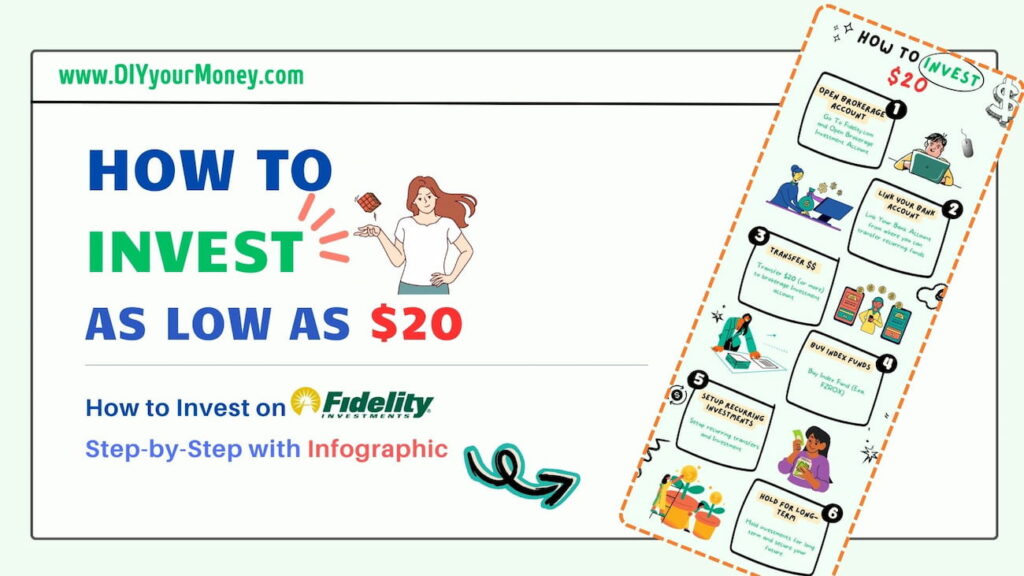
There is a common misconception that you need thousands of dollars to start building a portfolio. Today, many modern brokerage platforms allow you to begin investing with as little as $1 to $20 thanks to fractional shares. This means you can buy a tiny piece of an index fund or ETF without needing to purchase a full share all at once.
Resource Link: Start with as much as $20 today: From $20 to Financial Freedom: How to Invest on Fidelity: Step-by-Step with Infographic
3. Why is it so difficult to time the stock market successfully?
Attempting to time the market—buying at the absolute lowest low and selling at the highest high—is notoriously difficult even for professional Wall Street traders. Stock markets fluctuate based on unpredictable economic events, human emotions, and global news. A much safer, proven strategy is dollar-cost averaging, where you consistently invest a set amount of money at regular intervals regardless of whether the market is up or down.
Resource Link: Explore why time in the market beats timing the market via the FCA InvestSmart Blueprint.
4. What are the tax benefits of a Roth IRA vs. a Traditional 401(k)?
Tax efficiency can heavily influence your long-term returns. A Traditional 401(k) or IRA allows you to contribute pre-tax dollars, lowering your taxable income today, but you will pay taxes when you withdraw the money in retirement. A Roth IRA utilizes after-tax dollars, meaning your investments grow completely tax-free, and your withdrawals during retirement will not cost you a penny in income tax.
Resource Link: Check out the strategic tax breakdowns from the Merrill Lynch Age-by-Age Financial Guide.
5. How often should a beginner investor rebalance their portfolio?
Portfolio drift happens naturally as certain sectors or stocks outperform others, leaving your portfolio overexposed to high-risk assets. Financial advisors generally recommend reviewing and rebalancing your asset allocation once a year or whenever your target mix drifts by more than 5%. Rebalancing forces you to sell high and buy low, keeping your risk level perfectly aligned with your financial goals.
SEO Resource Link: Review how asset allocation mitigates long-term risk on the State of Connecticut Investor Education Portal.
🔟💰Conclusion: The Path to Prosperity
Investing is an art that requires patience, diversification, and education. By employing these ten personal finance investing tricks, you’re not just saving money; you’re investing in your future. Remember, the journey to financial freedom is a marathon, not a sprint. Embrace these strategies, remain consistent, and watch as your financial landscape transforms into one of prosperity and opportunity.
Remember, the secret to a fortune might not be a secret after all—it’s about making informed decisions, embracing patience, and continually learning and adapting. Your financial future is in your hands; it’s time to shape it.
"The best investment you can make is in yourself."
- Warren Buffett Tweet
Embarking on your investment journey with these tricks up your sleeve could very well be the turning point towards achieving your financial dreams. Let’s craft a future of abundance, one investment at a time.
What's Next: take action today 🎯
- You can invest as much as $1 Start here: https://www.fidelity.com/